Follow Me On Social Media!
Homemade Buttermilk Magic: The Best Creamy Recipe Ever

Introduction to Homemade Buttermilk
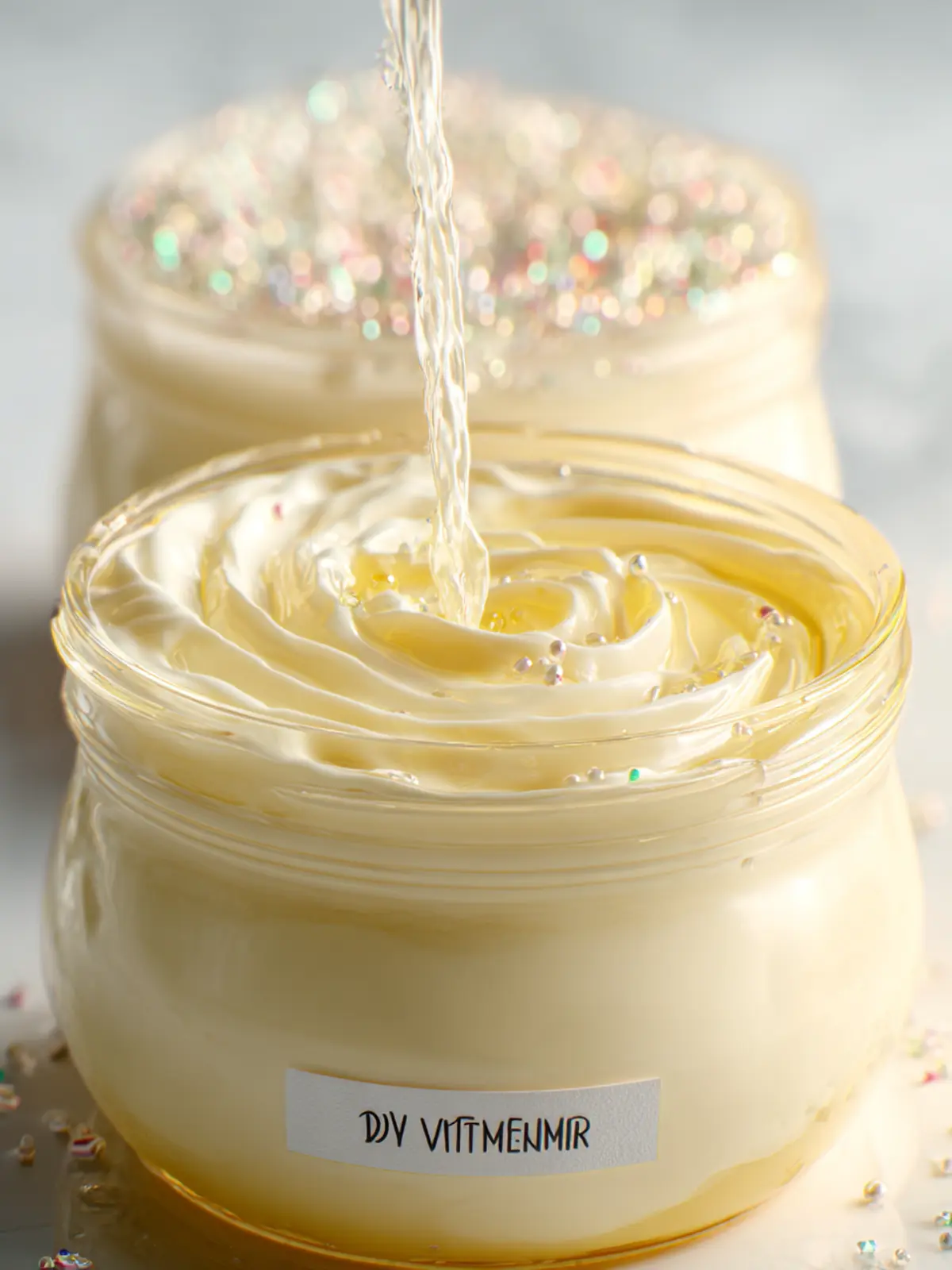
Homemade buttermilk isn’t just a kitchen staple; it’s like a secret ingredient that transforms ordinary dishes into extraordinary ones. Picture this: a fluffy pancake breakfast infused with that tangy, creamy goodness, or a moist cornbread that makes your mouth water. This simple ingredient is essential for anyone looking to elevate their cooking, and luckily, it’s incredibly easy to make at home.
What exactly is homemade buttermilk? Traditionally, buttermilk is the liquid left behind after churning cream into butter. In modern cooking, however, it typically refers to cultured buttermilk, which is made by adding an acid, like vinegar or lemon juice, to milk. This acid causes the milk to curdle slightly, creating that signature tang and thick texture that’s perfect for baking or cooking.
Why is homemade buttermilk such a staple in your kitchen? Here are a few compelling reasons:
- Versatility: It’s not just for baking. You can use buttermilk in dressings, marinades, or even as a base for creamy soups.
- Improves Texture: When used in baking, it reacts with baking soda, creating carbon dioxide bubbles that help your baked goods rise to fluffy perfection.
- Flavor Boost: The tangy flavor enhances the overall taste of your dishes, making them memorable. Think about it—who doesn’t love a slice of tangy buttermilk pie or pancakes that melt in your mouth?
- Easy to Make: With just two ingredients and a little bit of patience, you can whip up your own homemade buttermilk in no time. It’s a fantastic way to avoid the store-bought versions that often add preservatives.
In short, once you embrace the magic of homemade buttermilk, you’ll wonder how you ever cooked without it. It’s simple, affordable, and a true game changer in the kitchen. So, let’s dive into how you can make your very own batch at home!
Key Ingredients for Homemade Buttermilk
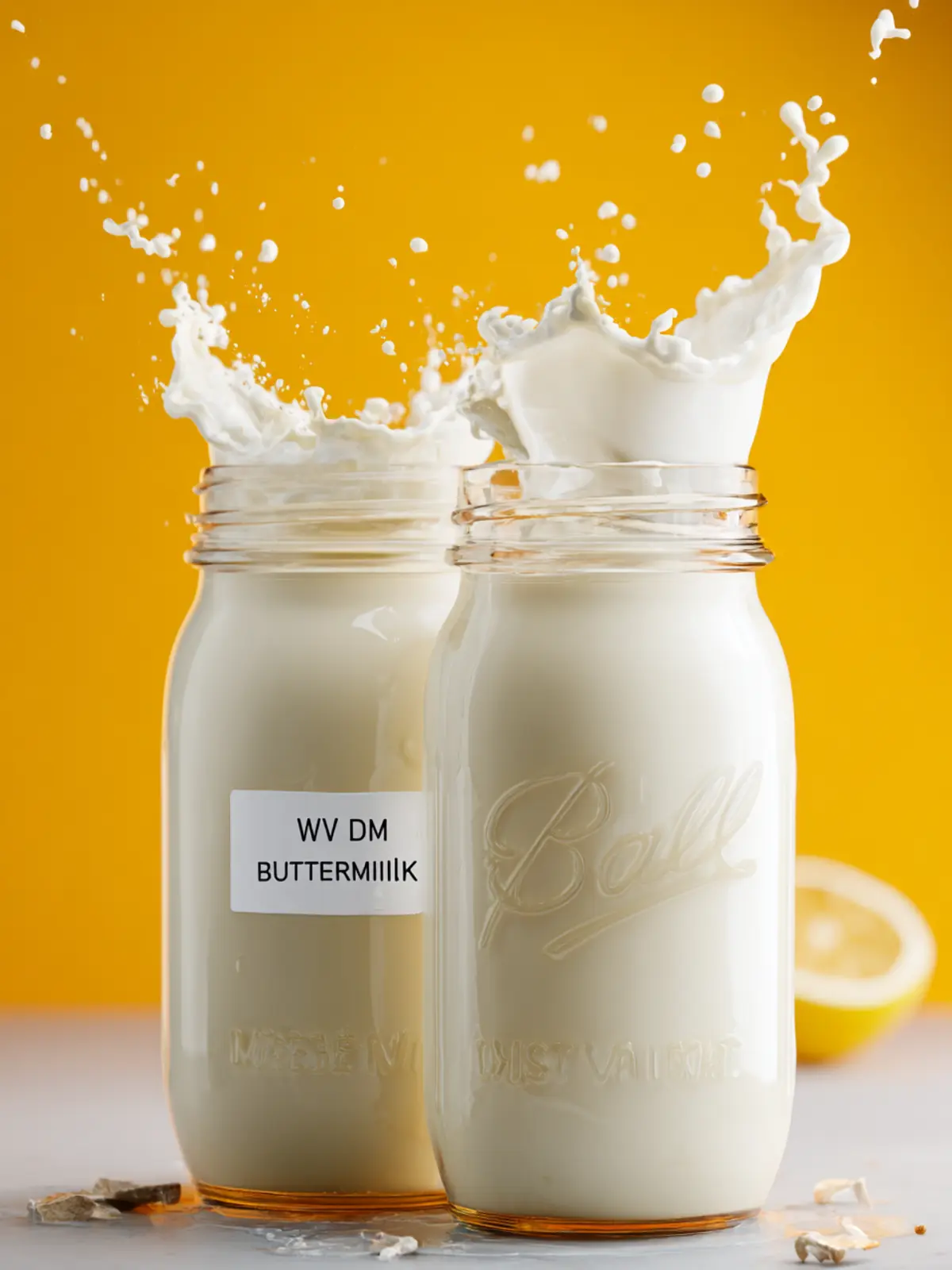
Creating your own homemade buttermilk is easier than you might think, and it can elevate your recipes in delightful ways. Let’s break down the essentials that make this creamy ingredient shine.
-
Milk: Start with whole milk for a richer texture. While you can use a lower-fat option, whole milk balances the tanginess perfectly, making it ideal for baking or dressing.
-
Acid: The magic happens when you add an acid, like lemon juice or white vinegar. Just a tablespoon or so gives your milk that signature buttermilk tang. It’s such a simple trick, yet it transforms plain milk into something special.
-
Combining Ingredients: Mix your chosen acid with milk, and let it sit for about 10 minutes. This mixture will thicken slightly and develop that unmistakable flavor of homemade buttermilk.
This simple recipe showcases how just a few ingredients can transform your cooking and baking, bringing a touch of homemade goodness to your kitchen. Remember, the quality of your milk and the acidity you choose will impact the final product, so select them with care!
Why You’ll Love This Homemade Buttermilk
Imagine the rich, tangy taste of homemade buttermilk gently swirling into your pancakes, biscuits, or salad dressings. This versatile ingredient isn’t just a staple; it’s a game changer that elevates your favorite dishes right in your kitchen. Unlike store-bought varieties, homemade buttermilk allows you to control the flavor and texture, ensuring it complements your recipes beautifully.
Freshness That Speaks Volumes
- The process of making homemade buttermilk is as simple as it is fulfilling. With just two ingredients—milk and an acid (like vinegar or lemon juice)—you can create a creamy product bursting with flavor.
- Using whole milk or even buttermilk powder gives you a thicker, richer consistency, unmatched by anything else.
Versatility in Every Drop
- Think of the endless possibilities! Homemade buttermilk is not only perfect for baking but also an exceptional marinade for chicken or a base for ranch dressing.
- The tangy flavor wonderfully enhances dishes, making everything feel just a bit more gourmet.
A Personal Touch
Crafting your homemade buttermilk can be a delightful experience, bringing a touch of personal flair to your cooking. Once you’ve tried the fresh and zesty notes of your own creation, you’ll never settle for a store-bought version again.
Variations of Homemade Buttermilk
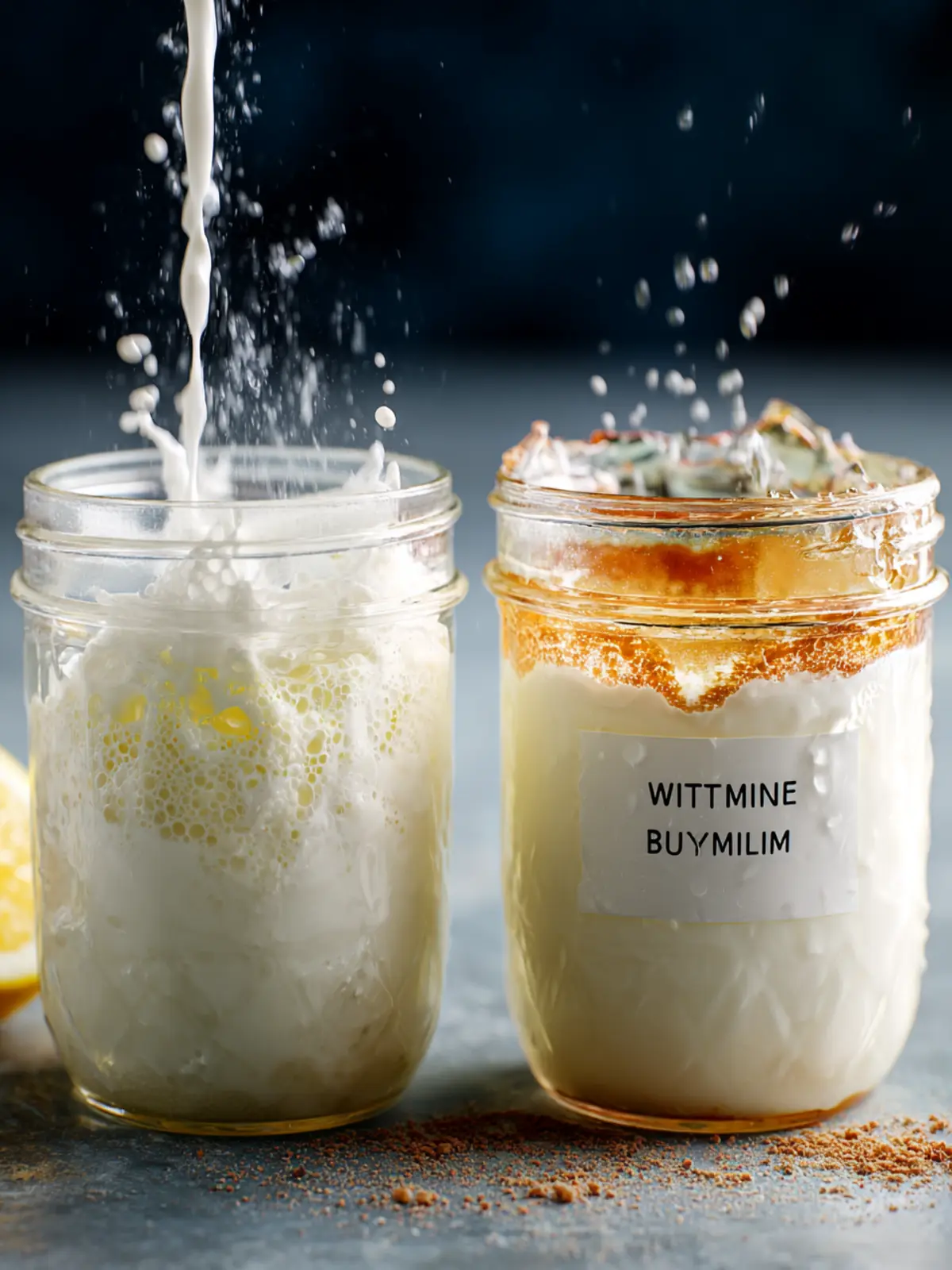
Homemade buttermilk is a delightful and versatile ingredient that can elevate your baking and cooking. Whether you’re whipping up pancakes, cakes, or savory dishes, you can easily customize your homemade buttermilk to suit different flavors and dietary needs.
Standard Variations
-
Vinegar or Lemon Juice Method: The classic approach to making homemade buttermilk involves mixing one cup of milk with one tablespoon of white vinegar or lemon juice. Let it sit for about 5-10 minutes until it thickens slightly and curdles. The acidity from the vinegar or lemon juice mimics the tangy flavor of traditional buttermilk.
-
Yogurt Method: If you have plain yogurt on hand, you can combine one part yogurt with one part water or milk. This gives you a thick, creamy base that’s perfect for baking. Greek yogurt works well, but you may want to thin it out a little more than regular yogurt.
Dairy-Free Options
-
Non-Dairy Milk Variations: For those who prefer a dairy-free lifestyle, using almond milk or soy milk with vinegar or lemon juice can yield great results. Just remember to use a 1:1 ratio and allow it to sit until it thickens.
-
Nut or Seed Yogurt Method: If you’re avoiding dairy altogether, consider using unsweetened nut or seed-based yogurt mixed with a little water. This alternative retains the tangy profile of buttermilk while accommodating vegan diets.
Experimenting with these variations of homemade buttermilk not only enhances your recipes but also allows for creativity in the kitchen. Whether it’s sweet or savory, you’ll find that homemade buttermilk opens the door to a world of flavor possibilities.
Cooking Tips and Notes for Homemade Buttermilk
Creating homemade buttermilk can feel like a culinary adventure, especially when you realize how simple it is to whip up and how much flavor it can add to your dishes.
Choosing Your Base Liquid
For your homemade buttermilk, you can use milk as your primary ingredient. Whole milk gives a richer flavor, while low-fat varieties can make a lighter version. If you’re in a pinch, non-dairy alternatives like almond or soy milk also work well!
Acid is Key
To achieve that tangy buttermilk flavor, the acidity is essential. Add either lemon juice or white vinegar to the milk. Let the mixture sit for about 5-10 minutes until it thickens and resembles buttermilk. This time allows the acid to curdle the milk, giving your homemade version the characteristic taste without needing any store-bought products.
Storage Tips
Keep in mind that homemade buttermilk doesn’t have the same shelf life as store-bought versions. It’s best used fresh, but if you find yourself with leftovers, store them in an airtight container in the fridge and use them within a week to enjoy maximum flavor.
By following these tips, your homemade buttermilk can elevate your recipes, from pancakes to marinades, bringing that homemade touch to every dish!
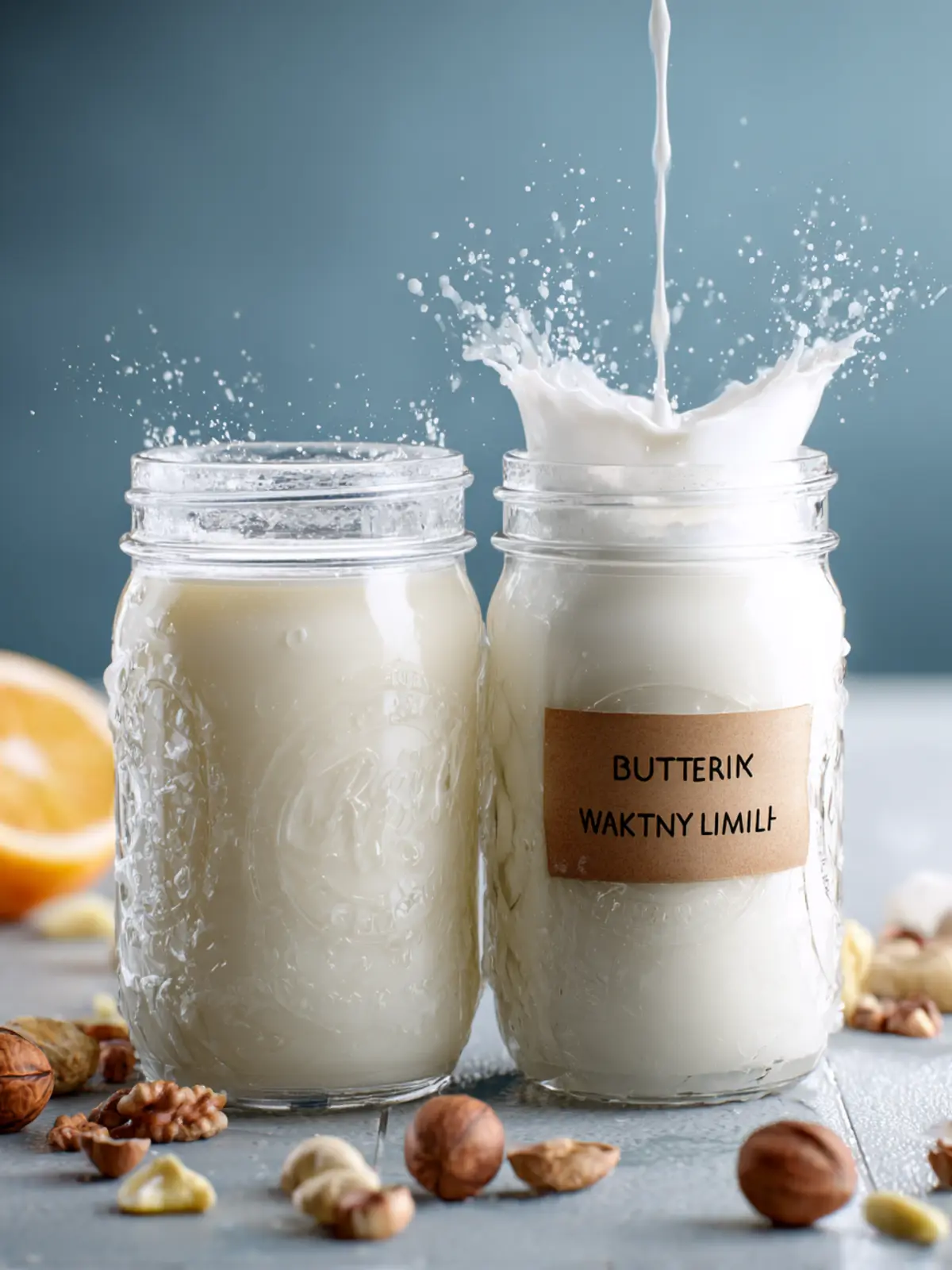
Serving Suggestions When Using Homemade Buttermilk
In your culinary adventures with homemade buttermilk, you’ll uncover a world of flavor enhancements and creamy delights. This tangy treasure isn’t just for baking; it can elevate numerous dishes and enliven your meals. Whether you’re whipping up breakfast or planning a cozy dinner, let’s explore some fantastic ways to incorporate this ingredient into your repertoire.
Perfect Pairings
-
Fluffy Pancakes: Try substituting store-bought buttermilk with your homemade buttermilk to boost the fluffiness and overall flavor. Top with fresh fruits or a drizzle of maple syrup for a delightful morning treat.
-
Tender Biscuits: Use buttermilk in your biscuit recipe for an irresistibly tender crumb. Brushing the tops with melted butter before baking creates a golden finish that’s hard to resist.
-
Marinades for Meat: The acidity in buttermilk is fantastic for marinating chicken or pork. Allow your protein to soak overnight for juiciness and flavor that truly shines through when grilled or cooked.
Creamy Dressings and Dips
-
Salad Dressings: Whisk your homemade buttermilk with herbs, garlic, and a splash of lemon juice for a creamy dressing that’s perfect over mixed greens.
-
Savory Dips: Combine buttermilk with Greek yogurt, dill, and spices to create a smooth dip for veggies or pita chips — a hit at any gathering!
With these serving suggestions, your homemade buttermilk will not only be a staple but also a star ingredient. Dive into your kitchen and let your creativity flow!
Time Breakdown for Homemade Buttermilk
Creating your own homemade buttermilk is a delightful endeavor that not only enhances your recipes but also brings a touch of culinary creativity into your kitchen. As you embark on this simple yet rewarding journey, understanding the time commitment helps you plan better and enjoy the process even more.
Preparation Time
Getting started with your homemade buttermilk takes just about 5 minutes. Mix equal parts milk and an acid—like lemon juice or vinegar—and you’re on your way to making something wonderful.
Waiting Time
After mixing, let the mixture sit at room temperature for around 10 to 15 minutes. This step is crucial as it allows the milk to thicken and curdle slightly, developing that signature tang.
Total Time
In total, you’re looking at approximately 20 minutes from start to finish. This quick process is a perfect way to elevate your dishes without a long wait. Happy cooking!
Nutritional Facts of Homemade Buttermilk
Homemade buttermilk is not just a delicious addition to your recipes; it brings useful nutrition to your table as well. Here’s a closer look at its nutritional aspects:
Calories
In a single cup of homemade buttermilk, you’re looking at around 100 calories. Not too bad for a comforting ingredient that enhances the flavors in dishes!
Protein
Homemade buttermilk offers about 8 grams of protein per cup. This makes it a great way to add some protein to your meals while enjoying its tangy flavor.
Carbohydrates
A serving of homemade buttermilk contains approximately 12 grams of carbohydrates, making it a good source of energy. The carbs primarily come from the natural sugars found in milk, which can be beneficial for sustaining energy levels throughout the day.
FAQ about Homemade Buttermilk
Making homemade buttermilk can seem a bit daunting at first, but it’s truly a simple process once you dive in. Many people find themselves with a few questions, so let’s tackle some of the most common ones together.
Can I use non-dairy milk to make buttermilk?
Absolutely! If you’re opting for a non-dairy alternative, almond milk, soy milk, or oat milk can work just fine. Simply add a tablespoon of vinegar or lemon juice to one cup of your chosen non-dairy milk and let it sit for about 5-10 minutes. This will mimic the tangy flavor and acidity of traditional buttermilk, allowing you to enjoy the same rich taste in your recipes without dairy.
How long can I keep homemade buttermilk?
The beauty of homemade buttermilk lies not just in its taste, but also in its shelf life. You can usually store it in the fridge for about 1-2 weeks, as long as it’s kept in an airtight container. Just give it a little shake before using; you might notice some separation, but that’s perfectly normal and doesn’t affect its usability.
What recipes can benefit from homemade buttermilk?
The possibilities are nearly endless! You’ll find that homemade buttermilk enhances a variety of dishes, such as:
- Pancakes and waffles: They become fluffy and tender.
- Baked goods: Use it in muffins, biscuits, and cakes for moisture and flavor.
- Salad dressings: A splash of buttermilk can add creaminess and tang.
- Marinades: Great for tenderizing meats while adding rich flavor.
Embracing the art of making your own buttermilk opens a world of delicious culinary opportunities, so don’t hesitate to experiment!
Conclusion on Homemade Buttermilk
Making your own homemade buttermilk is not only a fun kitchen experiment but also a way to elevate your cooking. Whether you’re baking fluffy pancakes or creating creamy salad dressings, this simple ingredient can add a tangy richness that store-bought versions often lack. Plus, it’s a fantastic way to use up surplus milk, reducing waste in your kitchen! Embrace the satisfaction of using something made from scratch; it adds a personal touch to your dishes. Next time you reach for that carton, consider whipping up your own—your taste buds will thank you, and your recipes will shine.
Print
Homemade Buttermilk
- Total Time: 15 minutes
- Yield: 1 cup 1x
Description
This is a quick method to make homemade buttermilk using whole or 2% milk and lemon juice or vinegar.
Ingredients
Scale
- 1 cup (237ml) Whole milk or 2% milk
- 2 Tbsp (30ml) fresh lemon juice or distilled white vinegar
Instructions
- For every 1 cup of whole milk, stir in 2 tablespoons of lemon juice or white vinegar.
- Let the mixture stand for 10 minutes.
- Use as directed in your recipe.
Notes
- This mixture needs to be used right away after it stands for 10 minutes.
- I don’t recommend storing it in the fridge for later use.
- Prep Time: 5 minutes
- Category: Dairy
- Method: No-Cook
- Cuisine: American
Nutrition
- Serving Size: 1 cup